
January is Financial Wellness Month. It serves as a time to promote better financial practices and help individuals set financial goals for the upcoming year.
At Thomas House, we believe financial wellness is a critical part of the foundation our families are building in their journey towards finding stability and independence. That is why we provide the necessary tools and resources for our residents to learn valuable financial skills, including budgeting, saving, debt management, and credit, that will help improve their financial well-being.
Financial Wellness at Thomas House
The main ways we support the financial wellness of our residents are through financial literacy classes, Case Management meetings, and budgeting.
We host financial literacy classes covering a variety of topics on site at Thomas House that our residents are required to attend. We, also, partner with banks to provide some of these classes so our residents can learn from financial experts about building their credit, the dangers of scams, the different types of bank accounts, budgeting, etc. These classes are essential because they equip our families with the knowledge and skills necessary to make informed financial decisions that can ultimately lead to greater financial independence and security.
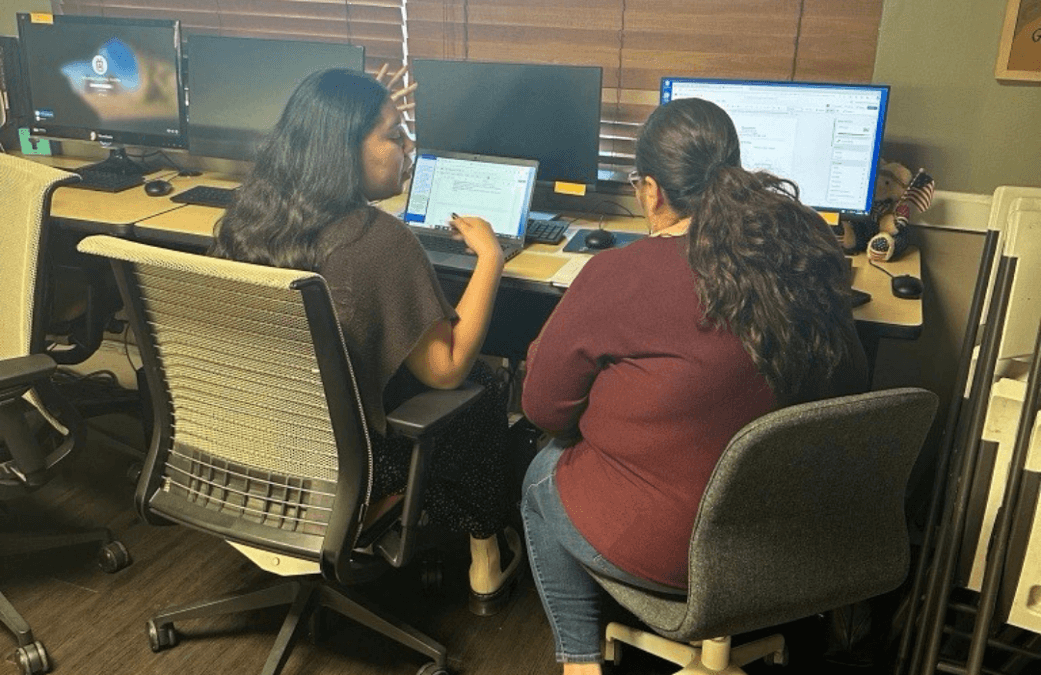
Additionally, our residents meet with their Thomas House Case Manager weekly to assist with budgeting, which is a collaborative, resident-centered process at Thomas House. Case Managers work one-on-one with residents to review income, benefits, and expenses, and to create realistic budgets aligned with each family’s short-term and long-term goals, particularly housing stability. Budgets are completed after any income is received, with families saving 80% of their income (i.e. paystub, Cash Aid, SSI, etc.). These budgets are then adjusted as circumstances change, such as employment, benefits approval, or upcoming move-out planning. This process promotes better financial wellness for our families and empowers them with the tools they need to achieve long-term independence. Our Case Managers work closely with our residents to support them in practicing financial skills.
Other ways our Case Managers, Housing Navigator, and Career Development Specialist support the financial wellness of our families:
- Referrals to community partners
- Workshops focused on credit, savings, and employment readiness
- Practical learning through budgeting to reduce expenses, eliminate unnecessary expenses, and tracking debt payments.
- Supporting employment goals, including job search, job retention, and income stabilization
- Helping residents prioritize debt, understand credit issues, and plan for emergencies
- Connecting residents to rental assistance, subsidies, and community financial resources
- Providing advocacy and problem-solving support when financial barriers arise
These skills and knowledge are an important foundation for our families on their journey towards securing stable housing and lasting stability.
Our support for our family’s financial well-being does not end once they secure permanent housing. Thomas House continues to support graduates by offering our Homeless Prevention program and connections to community resources. Graduates receive referrals for ongoing financial counseling, housing navigation, and benefits of support to help maintain stability. The focus is on sustaining permanent housing, managing ongoing expenses, and strengthening long-term financial independence
beyond graduation to permanent housing.
Empowering Future Generations Through Financial Literacy
We offer financial literacy classes not only for our adults, but also for our teens. Teaching young people how to manage money and make informed financial decisions is essential. These skills empower them to build stable futures and approach their finances with confidence.
Important skills our youth learn during our Teen Financial Literacy classes:
- The difference between credit card and a debit card
- How to open your own bank account as a teen and what a student account is
- How to save for college – including budgeting, loan differentiation, and how to
use FAFSA - How to budget checks
- How to protect your private financial information
- How to pay back credit cards and when to use credit cards
How the structure at Thomas House has helped our families build financial skills
Through our partnership with Chase Bank, we have delivered impactful financial wellness classes that equip both adults and youth with essential money management skills.
One of our graduate teens shared how she learned about opening a student account during a financial wellness class hosted by Chase Bank at our shelter. She later applied what she learned by opening her own student account at Chase with her mom. These teen financial literacy classes help set our Thomas House youth up for long-term success by building confidence, independence, and real-world financial skills.
Destiny Wallace, a current resident, increased her credit score from 0 when she arrived at Thomas House to 700 in three months. She and her Case Manager focused on building budgeting skills during her bi-weekly meetings to ensure she was able to make on-time credit card payments. Destiny, also, gained knowledge and insights from the parenting classes we had about financial literacy and credit.
Sandra, another current resident, increased her credit score from 590 to 744 since arriving at Thomas House. With support from her Case Manager, Sandra has been creating a weekly budget and putting the financial literacy skills she learned in our life skills classes into practice. To improve her credit score, she focused on managing her bills on time, reducing her credit utilization, and tracking her spending patterns. We connected her with Stepping Up OC, an agency we partner with, and she implemented their advice on how to build her credit.
Tips for Financial Wellness
Throughout this month, we encourage everyone to reflect on their spending habits, budgeting, and overall financial management to set themselves up for success financially in 2026 and beyond. Our Board Member Ross MacDonald of California Bank of Commerce, who has taught financial literacy to our residents, shares these simple tips to help with financial wellness in 2026:
- Credit Scores
Check your credit reports for free at AnnualCreditReport.com and look for errors like
accounts that aren’t yours or balances that are wrong – fixing mistakes can boost your
score without paying a dollar. The details behind the score are what drives it. - Managing Credit
Borrowing that can’t be repaid within a month should be limited to bigger purchases whenever possible. For example, paying for a refrigerator purchased on credit over time results in an asset. However, paying for several DoorDash orders purchased in credit over time results in very expensive food you already ate. - Budgeting
Before you get paid, write down your three most important expenses for the month (Ex. rent, food, and transportation) and plan around those first – everything else comes second. - Saving & Investing
Open a basic savings account and automatically move $10-$20 from each paycheck into it. This habit matters more than the amount, and it builds a buffer for surprises faster than you think.
Join us: support financial wellness at Thomas House
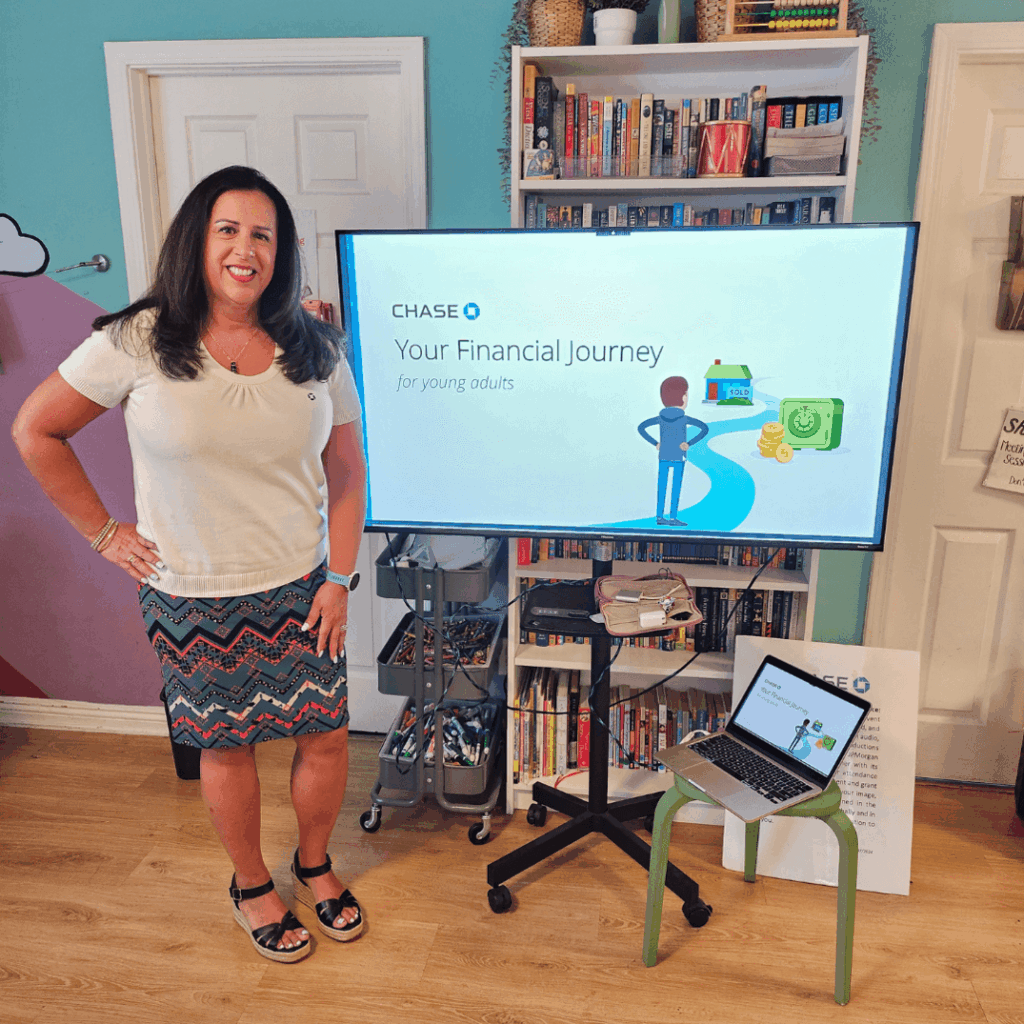
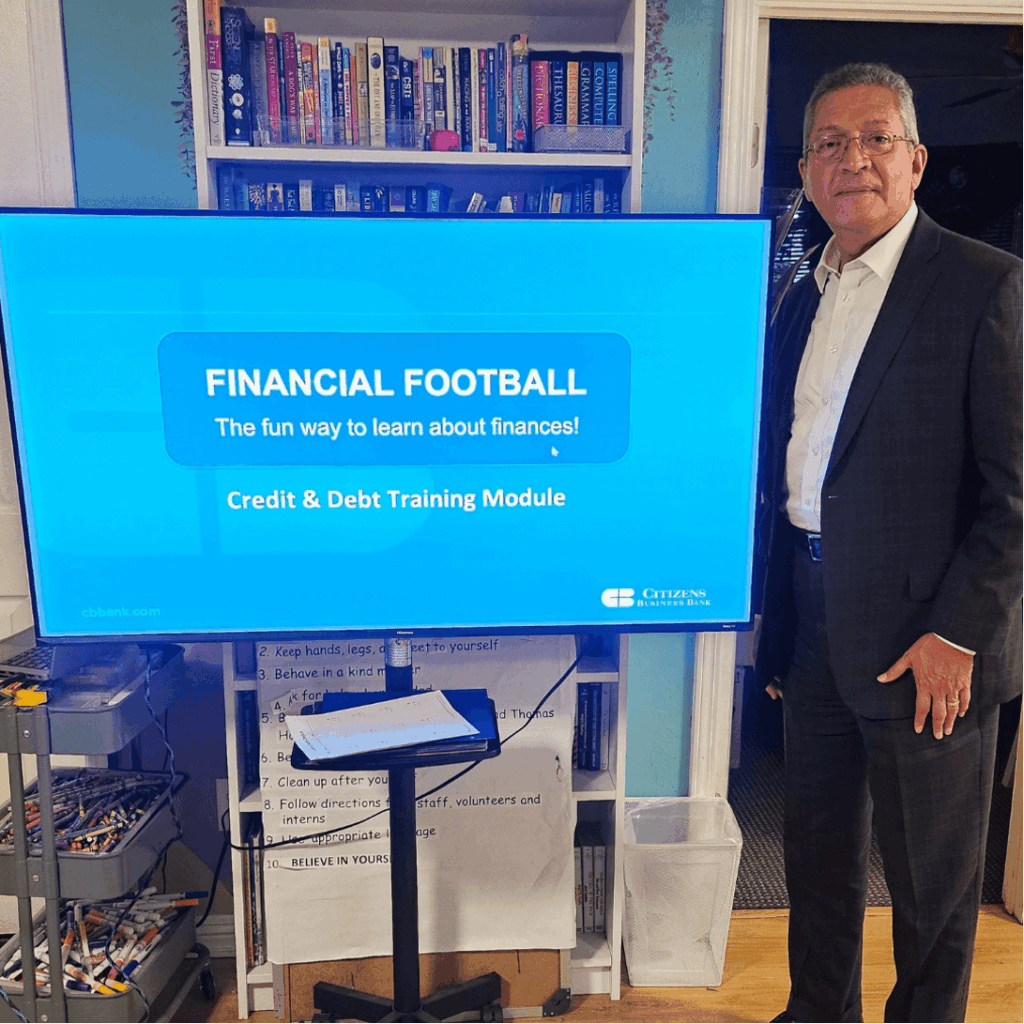
You can help contribute to the financial wellness at Thomas House by hosting a financial literacy class for our parents or teens. Be part of the foundation our families are building and help them thrive now and in the future.
Email Ashley Wang, our Programs Director, at Ashley@thomashouseshelter.org for more information and availability